Reliable sequences, understandable interfaces, and clear recovery methods make automation useful.
Reliability includes the difficult moments
An automated system needs to do more than complete a normal sequence. It must respond coherently to a missing component, a delayed sensor, a rejected part, or a power interruption. These conditions shape the operator’s confidence as much as the best production cycle.
Describe the full operating sequence before programming begins. Include the conditions for starting, pausing, stopping, and restarting each step. A shared description helps engineering, maintenance, and operations agree on what the system should do.
Make the interface explain the state
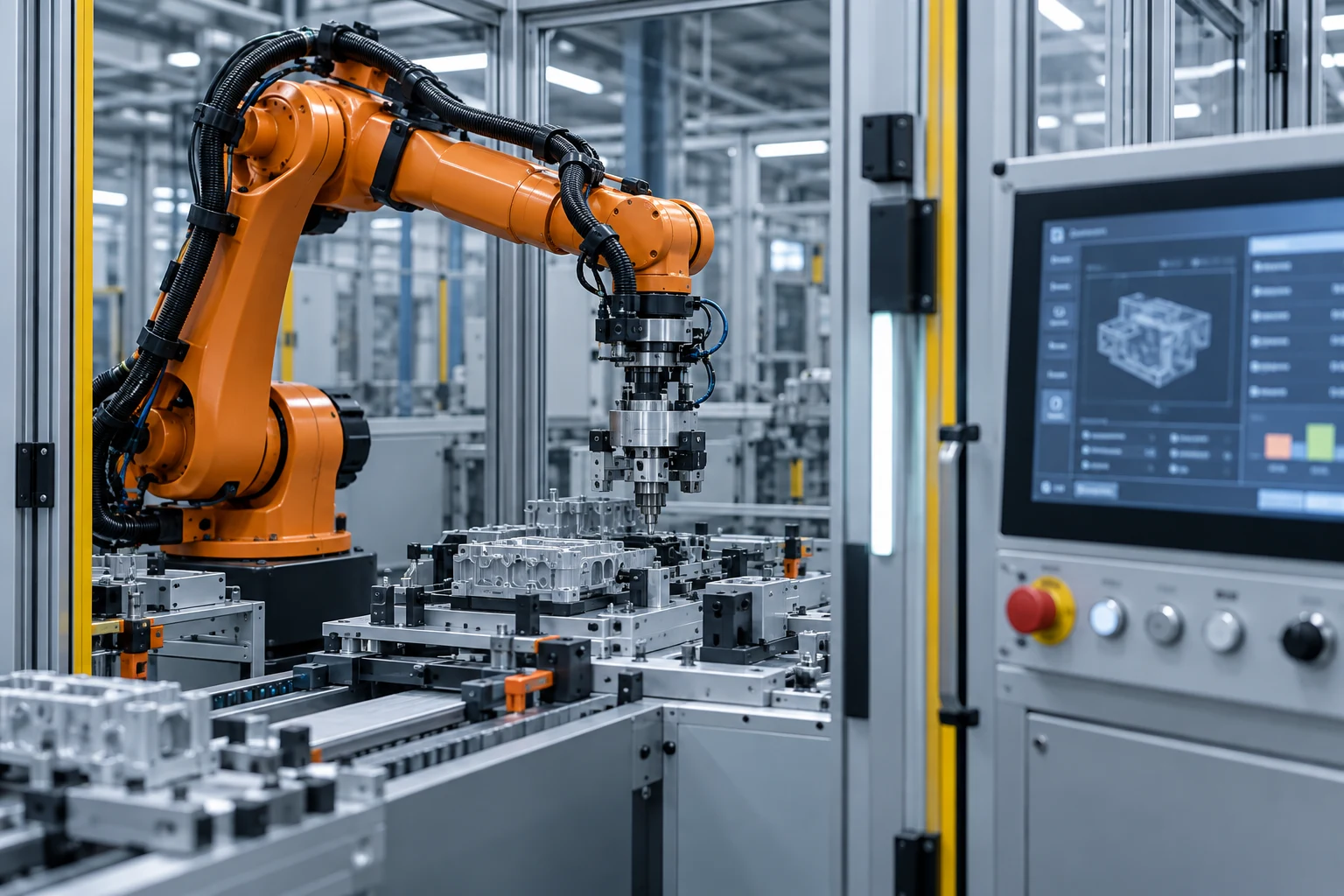
An operator interface should help someone understand what is happening now and what action is available. A clear state description is often more valuable than a screen crowded with animated equipment graphics. Fault messages should identify the affected area and point to an appropriate recovery method.
Consistent language matters. Use the same names for stations and components on the interface, drawings, labels, and training materials. This reduces ambiguity when people discuss a problem during a busy shift.
Test recovery deliberately
Exercise abnormal conditions
Confirm behavior for representative missing signals, interruptions, and rejected materials during controlled testing.
Define restart requirements
Acknowledge what needs to be inspected or reset before a sequence can safely resume.
Involve the operating team
Ask operators to follow the proposed recovery instructions and identify unclear steps.
Hand over a maintainable system
Provide current backups, version information, interface definitions, and practical training. A maintainable system should not depend on a single specialist remembering how it was configured.
Automation earns trust when its behavior remains understandable through normal work and unexpected conditions. Clear sequences, useful diagnostics, and a tested recovery method turn technical capability into dependable production.
Original editorial content for a fictional company. This article describes general engineering approaches within a design concept.